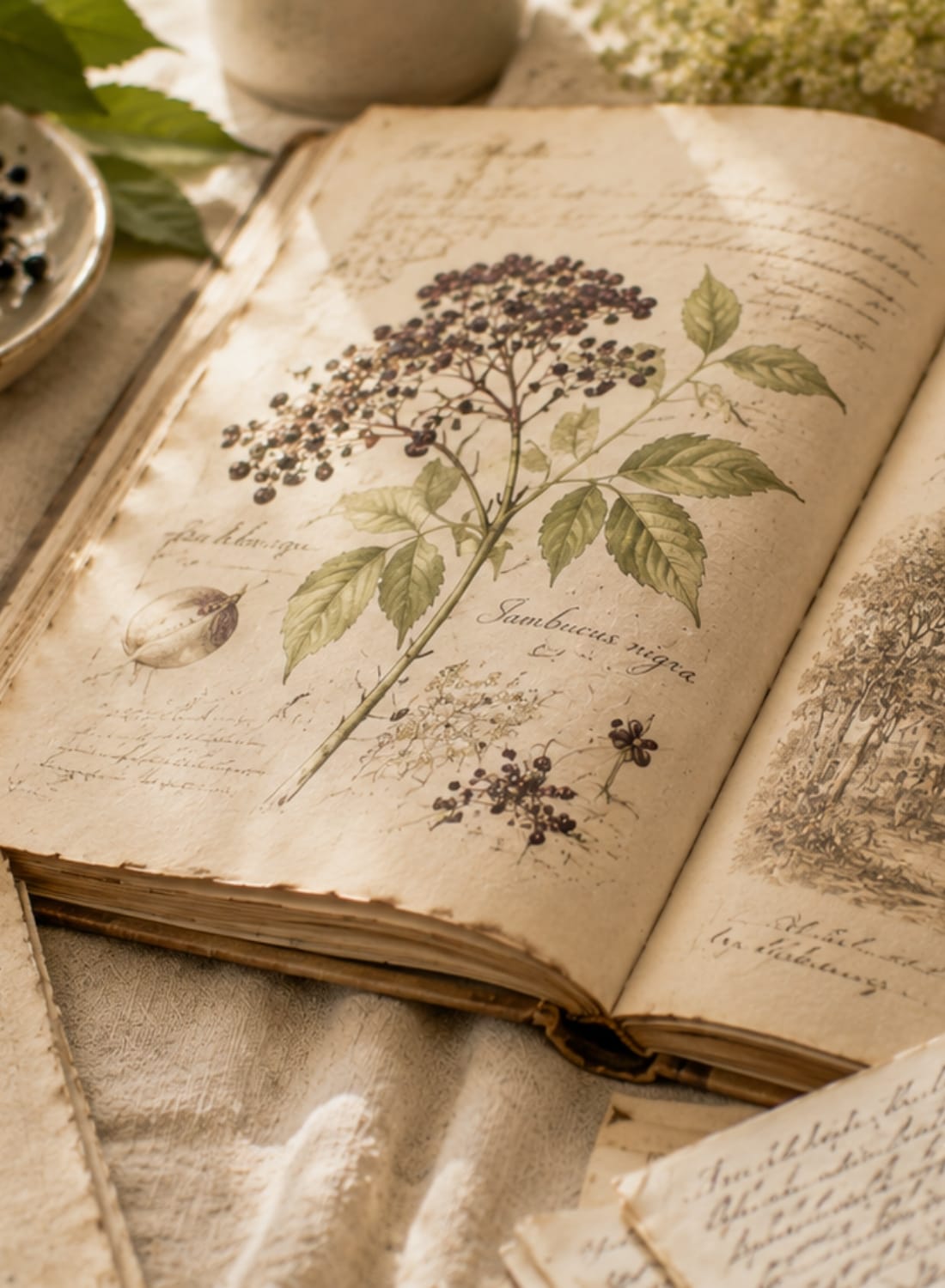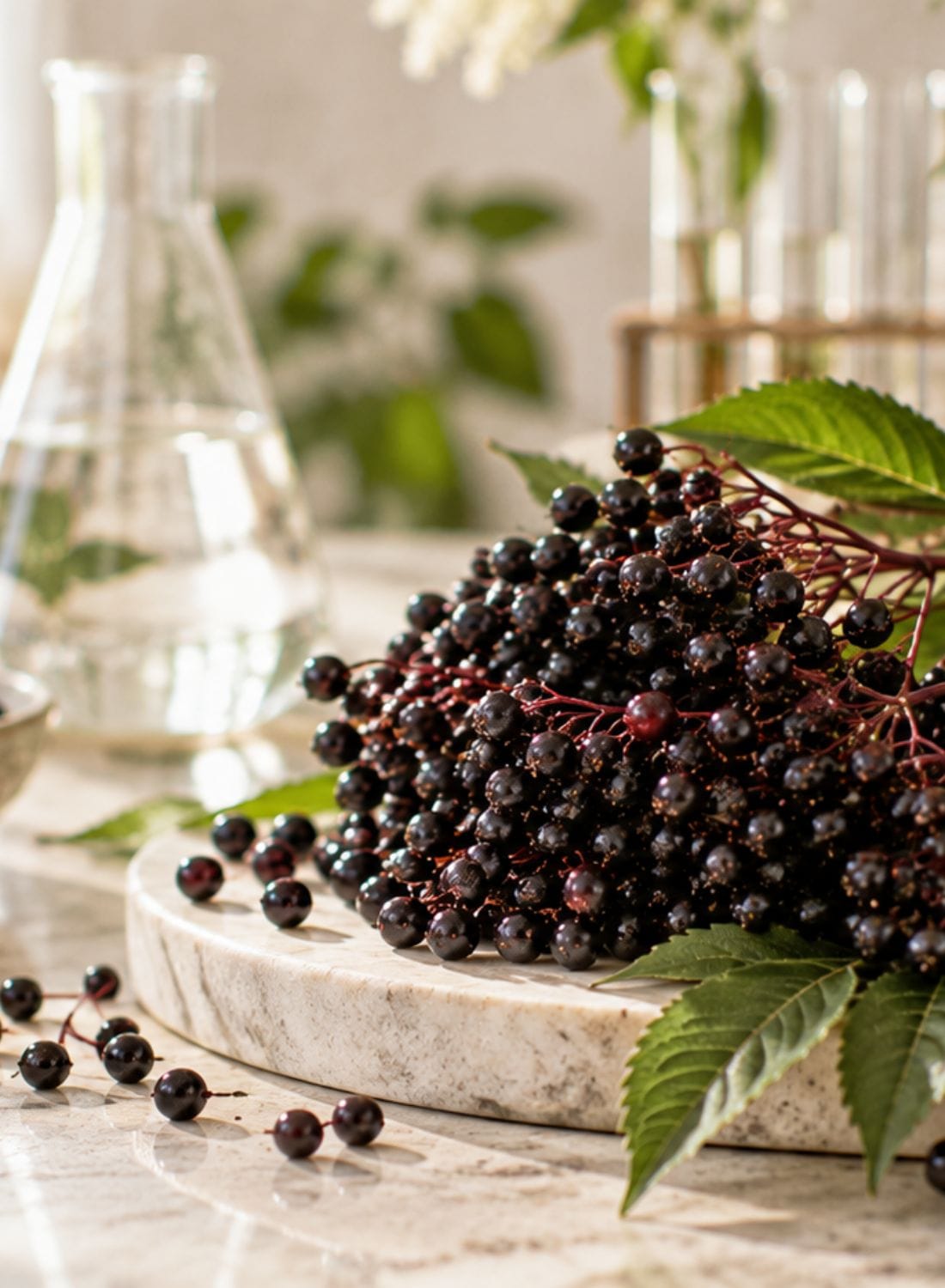
CHAPTER THREE: EUROPEAN BLACK ELDERBERRIES: Why Sambucus nigra Matters
The Complete Guide to Elderberries → Chapter Three
Why the variety matters and what makes it unique.
In This Chapter
When people begin learning about elderberries, one name appears again and again:
European black elderberry (Sambucus nigra).
It’s a botanical name frequently referenced in educational resources and scientific literature, yet many families aren’t sure why this particular elderberry receives so much attention.
Understanding what makes European black elderberries unique doesn't mean other elderberry species lack value. Rather, it provides important context for interpreting research, comparing products, and recognizing why many thoughtfully made elderberry products identify the exact species they use.
In this chapter, we'll take a closer look at what distinguishes Sambucus nigra, the naturally occurring compounds found within the berries, and why transparency about ingredients has become increasingly important.
By the end of this chapter, you'll understand:
✓ Why Sambucus nigra is frequently referenced in research
✓ The naturally occurring compounds found in elderberries
✓ Why botanical names improve transparency
✓ Why ingredient sourcing matters when comparing products
Why Sambucus nigra Is So Often Studied
European black elderberry (Sambucus nigra) appears frequently in scientific literature examining elderberries, their naturally occurring compounds, and their traditional and modern uses. Clearly identifying the botanical species being studied helps researchers describe their findings accurately and helps readers understand which type of elderberry the research concerns.
Sambucus nigra is naturally distributed throughout much of Europe and has a long history of cultivation and use. Today, it remains one of the elderberry species widely represented in scientific research and commercial elderberry products.
Recognizing the botanical name doesn't require becoming a scientist. It simply helps readers understand exactly which elderberry species is being discussed.
"Knowing the botanical name helps you understandexactly which elderberry variety you're reading about."
Naturally Occurring Plant Compounds
Much of today's interest in elderberries centers around the naturally occurring plant compounds found within the fruit.
European black elderberries naturally contain a variety of polyphenolic compounds, including:
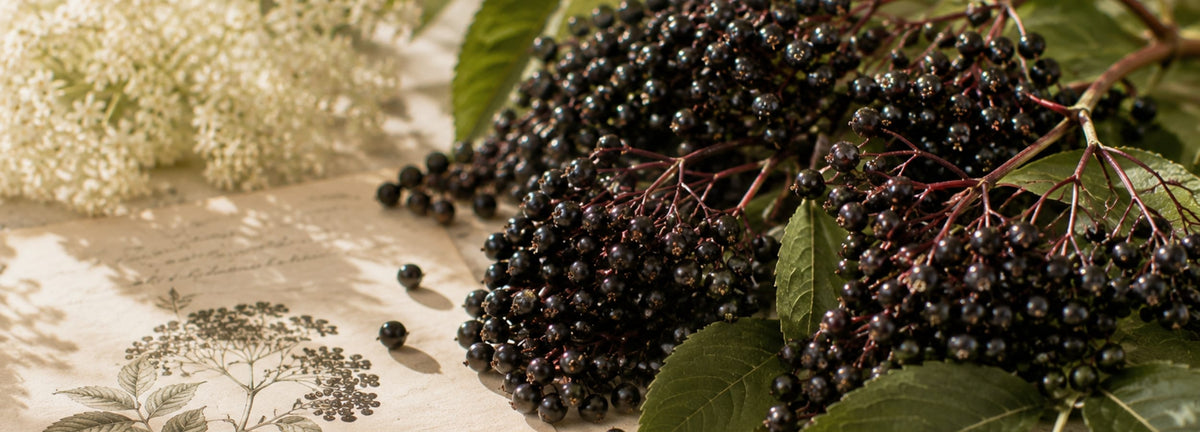
• Anthocyanins, pigments that contribute to their rich purple-black color
• Flavonoids, a broad group of plant compounds that includes anthocyanins and other compounds found in elderberries
• Phenolic acids, another group of naturally occurring plant compounds identified in elderberry fruit
These compounds are naturally present in whole elderberries and are one reason researchers continue exploring the fruit today. While research continues to evolve, understanding what naturally occurs within elderberries provides helpful context when reading educational resources about the plant.
Why Ingredient Transparency Matters
As elderberry products have become more widely available, ingredient labels have become increasingly important.
Some products clearly identify the elderberry species they use, while others simply list "elderberry" without additional detail. Some products are prepared from whole berries, while others rely on concentrates, powders, or extracts.
Learning to recognize these differences empowers families to ask thoughtful questions, compare products more confidently, and better understand what they're choosing.
Transparency isn't about suggesting one product is right for everyone. It's about giving consumers the information they need to make informed decisions. For a closer look at how to evaluate ingredients, preparation methods, and product labels, explore Chapter Six: Choosing an Elderberry Product.
Looking Beyond the Label
The more you understand about elderberries, the easier it becomes to recognize quality.
When comparing products, consider questions such as:
- Is the elderberry species identified?
- What form of elderberry is used, such as whole berries, juice, powder, concentrate, or extract?
- Is the preparation method explained?
- Does the company clearly disclose its ingredients and quality practices?
These simple questions can help you better understand the
products you're considering while encouraging greater transparency throughout
the wellness industry.
Knowledge doesn't tell us which product to choose. It helps us recognize what information is worth looking for.
A Note from Jessica
One of the things I've learned over the years is that thoughtful sourcing starts long before a product reaches someone's kitchen.
When we first began making elderberry syrup, I wanted to understand not only where our ingredients came from, but why certain varieties appeared so consistently throughout educational resources and research. The deeper I looked, the more I appreciated the value of transparency.
I believe families deserve to know what's in the products they bring home. Botanical names don't need to feel complicated. Understanding the ingredients behind them builds confidence.
— Jessica Lowery, M.A.T.
Founder, The POWER of Elderberries®
Continue Learning
Want to explore these topics in greater depth? These related articles expand on the botanical characteristics, research, and product considerations introduced throughout this chapter.
Continue Reading
Continue your journey through The Complete Guide to Elderberries.