CHAPTER ONE: WHAT ARE ELDERBERRIES?
The Complete Guide to Elderberries → Chapter One
The word "elderberry" describes more than one berry. Understanding the differences changes everything.
In This Chapter
In this chapter, you'll discover the foundations of elderberries. You'll learn where they grow, why the European black elderberry has been treasured for generations, and why understanding the differences matters.
By the end of this chapter, you'll understand:
✓ What elderberries are
✓ Where elderberries grow
✓ Why more than one elderberry species matters
✓ The difference between European and American elderberries
✓ What Sambucus nigra means
What Are Elderberries?
For centuries, elderberries have been gathered, prepared, and appreciated by cultures around the world. Today, they remain one of nature's most recognizable berries, valued for both their rich history and their naturally occurring plant compounds. Yet despite their growing popularity, many people still wonder exactly what elderberries are and why they have become such a trusted part of so many family wellness routines.
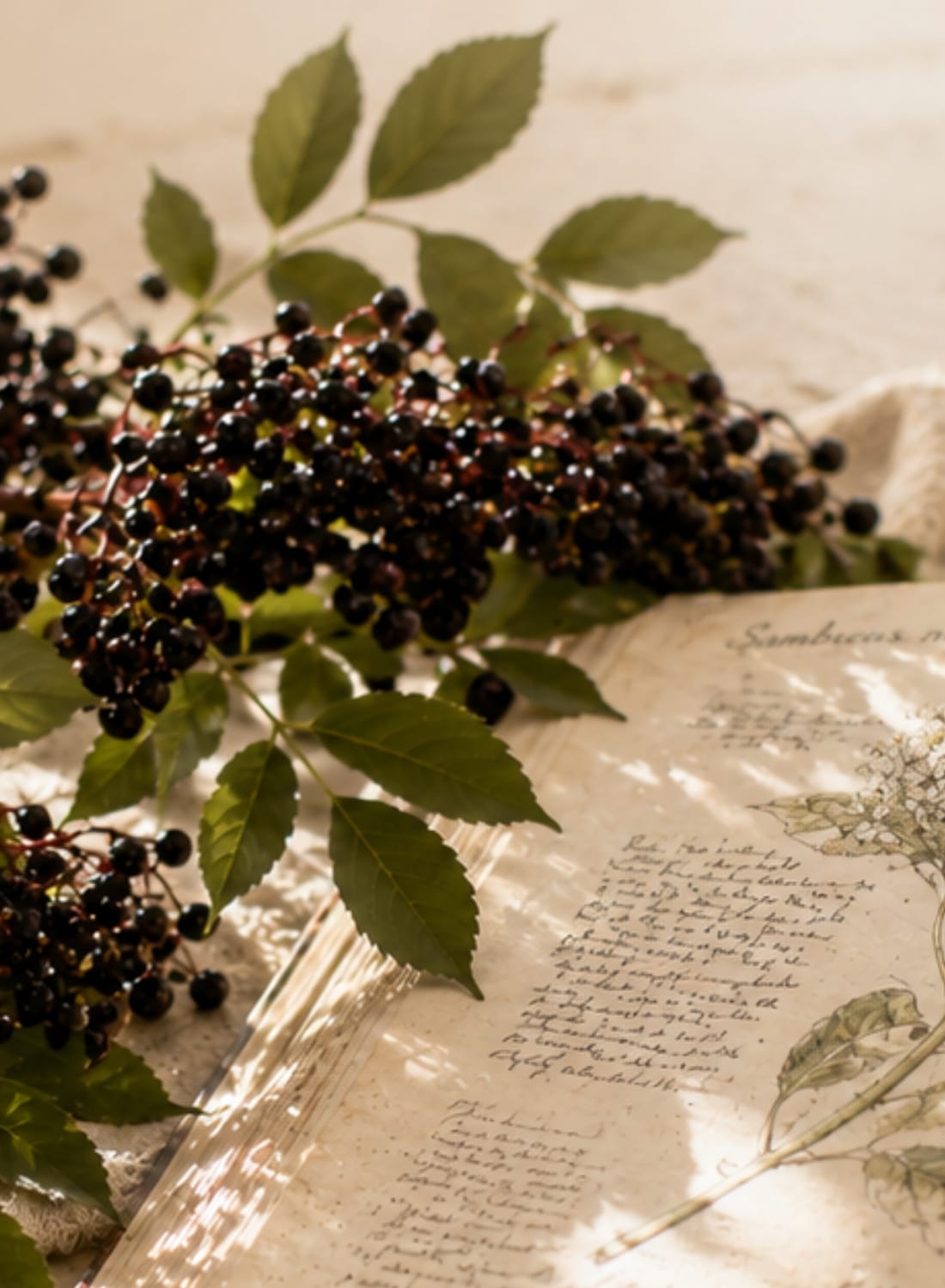
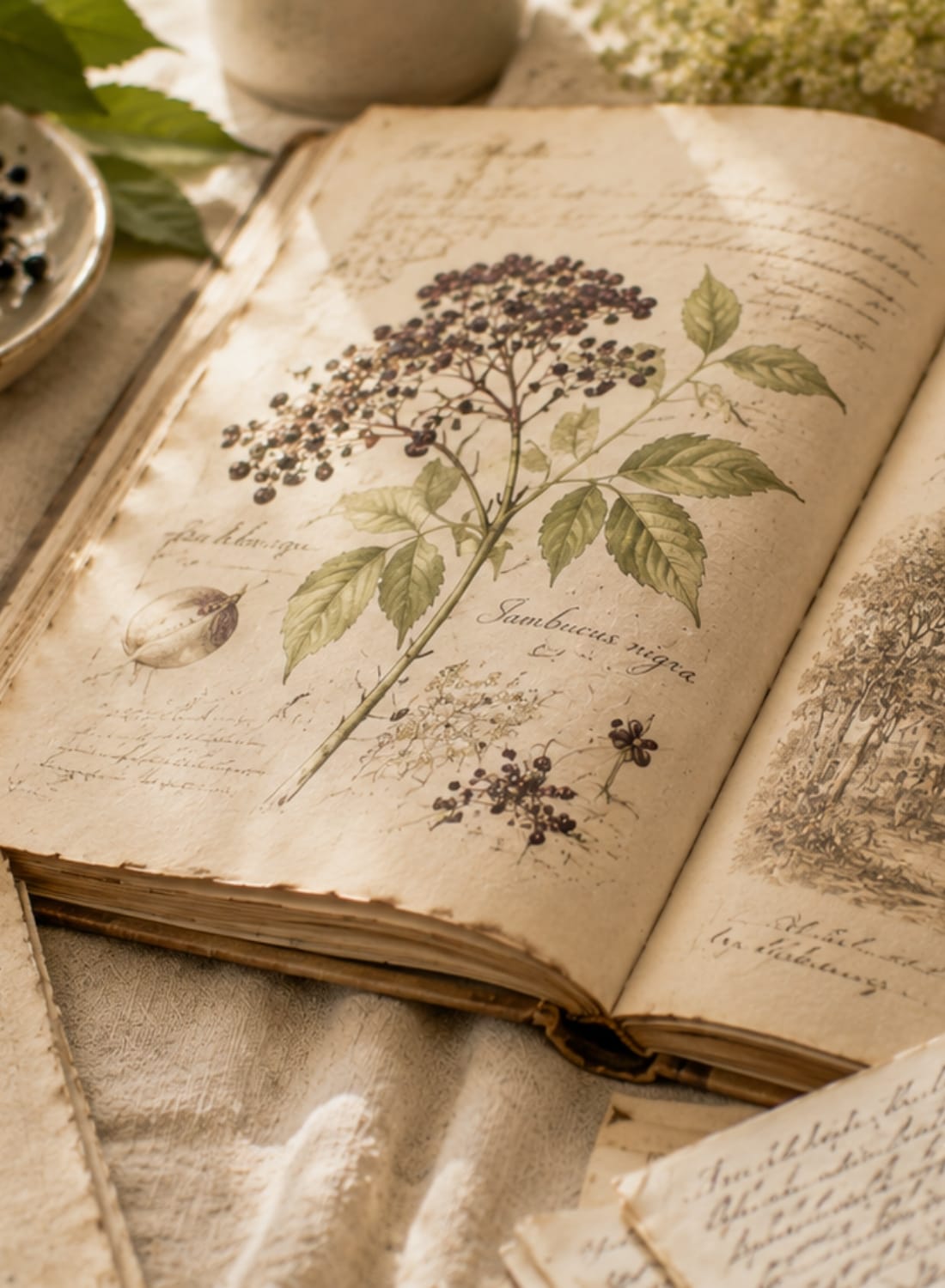
Elderberries are the small fruits produced by plants in the elder genus (Sambucus). Depending on the species, their appearance can vary, with European black elderberries (Sambucus nigra) recognized for their deep purple-black color. They grow in large, umbrella-shaped clusters and typically ripen toward the end of summer. While the berries themselves are quite small, they have a rich, tart flavor and have traditionally been prepared in syrups, teas, jams, wines, and other culinary recipes for generations.
Today, elderberries are found in many forms. You'll see them prepared as syrups, teas, gummies, capsules, powders, and even lozenges. As interest in whole-food wellness has grown, so has appreciation for elderberries as part of a thoughtful daily wellness routine.
While elderberries have become increasingly common on store shelves, not all elderberry products are created the same. The variety of elderberry used, the way it is prepared, and the quality of the ingredients all contribute to the final product. Throughout this guide, we'll explore those differences so you can better understand what to look for and make informed choices for yourself and your family.
Before understanding why one variety is used more often than another, it helps to understand where elderberries naturally grow.
Where Do Elderberries Grow?
Different elderberry species grow across temperate regions in many parts of the world, including Europe, North America, and western Asia, often along woodland edges, roadsides, riverbanks, and open areas.
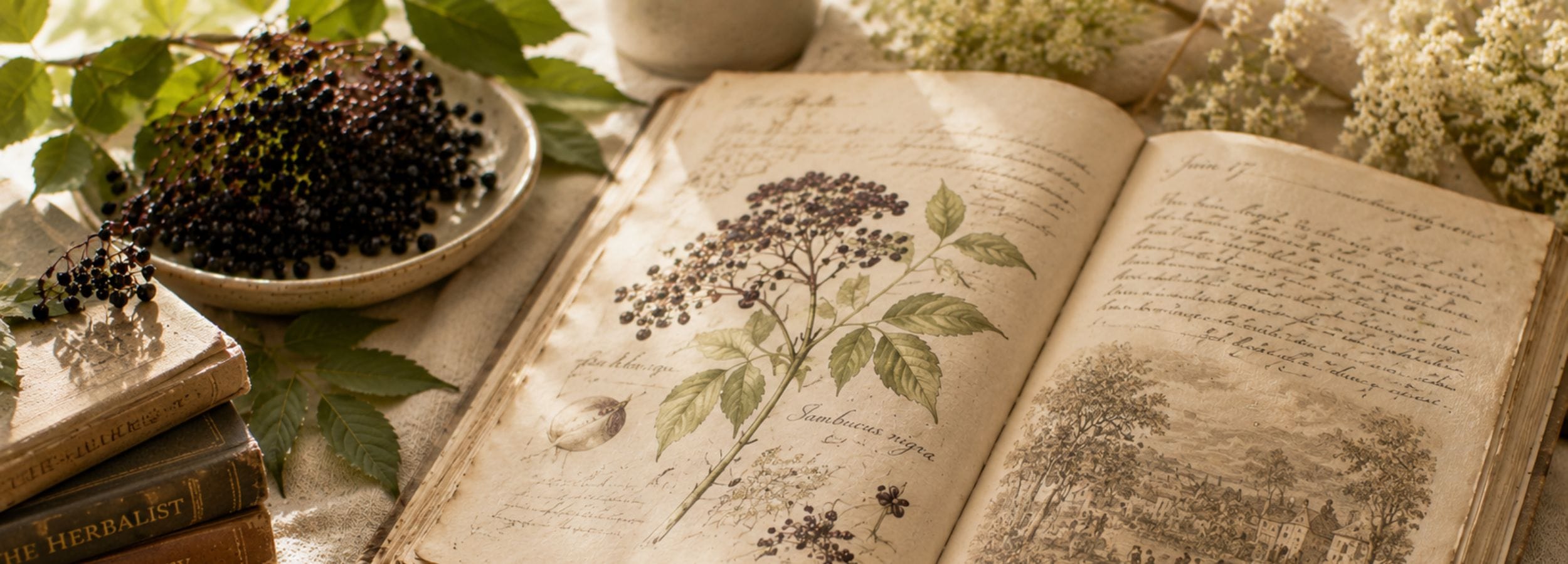
While several species of elderberries grow around the world, the European black elderberry (Sambucus nigra) has become the best known and most widely studied. For generations, it has been cultivated across Europe not only for its fruit, but also for its beautiful clusters of delicate white blossoms, known as elderflowers, which appear each spring before giving way to deep purple-black berries later in the season.
Because raw or unripe elderberries can contain naturally occurring compounds that may cause gastrointestinal symptoms, proper preparation matters. Elderberries intended for culinary use have traditionally been cooked or otherwise appropriately processed into syrups, teas, jams, wines, and other preparations.
Today, carefully cultivated European elderberries continue to be grown by experienced farmers who understand the importance of healthy soil, proper harvesting, and preserving the quality of the fruit from field to finished product.
European vs American Elderberries
One of the biggest surprises for many people is that "elderberry" is not the name of a single plant. Instead, it refers to several closely related species found in different parts of the world. While they share many similarities, they are not identical.
The two varieties most commonly discussed are the European black elderberry (Sambucus nigra) and the American elderberry (Sambucus canadensis). Both produce clusters of dark berries and have long histories of traditional use, but they differ in their growing regions, characteristics, and the amount of scientific research available.
European black elderberries have been cultivated throughout Europe for centuries and are the variety most frequently referenced in published research exploring elderberries and their naturally occurring plant compounds. For this reason, you'll often see Sambucus nigra specifically identified in educational resources and scientific literature.
American elderberries are native to North America and have their own rich history, particularly among Indigenous communities who traditionally used various parts of the elder plant in both culinary and cultural practices. They remain an important and valued species today.
Rather than thinking of one variety as "better" than another, it's more helpful to recognize that they are different. Understanding which species is used in a product simply allows you to make a more informed decision and better understand the information you're reading.
Did You Know? European black elderberries (Sambucus nigra) are the variety referenced in much of today's published elderberry research.
Why Sambucus nigra?
Scientific names can seem intimidating at first, but they're simply a way to identify a specific plant with precision. Just as many flowers, herbs, and trees have botanical names, elderberries do as well.
When you see the name Sambucus nigra, it refers specifically to the European black elderberry. Using the botanical name removes confusion and ensures everyone is talking about the same species, whether they're reading a research study, learning about traditional uses, or comparing different elderberry products.
This distinction matters because many scientific studies identify the exact species being evaluated. Knowing the botanical name helps consumers better understand the research they are reading and provides greater transparency when choosing elderberry products.
For families who value thoughtfully sourced ingredients, seeing Sambucus nigra listed on a product label can be a helpful sign that the manufacturer is clearly identifying the variety of elderberry being used rather than relying on the general term "elderberry" alone.
A Note from Jessica
When I first started learning about elderberries, I assumed an elderberry was simply... an elderberry.
The more I researched, the more I realized there was an entire story behind this remarkable fruit. I discovered that different elderberry species exist, that preparation methods vary from one product to another, and that understanding those differences can make all the difference when you're choosing products for your family.
That curiosity eventually became the foundation of The POWER of Elderberries®. My hope is that this guide gives you the same confidence it gave me not by telling you what to buy, but by helping you understand the remarkable berry behind it all.
— Jessica Lowery
Founder, The POWER of Elderberries®
Continue Learning
Want to explore these topics in greater depth? These related articles build on the foundations introduced in this chapter.
- What Is Elderberry Good For?
- 15 Facts About Elderberry Syrup Every Family Should Know
- Black Elderberry Benefits
Looking for all educational articles? Browse the complete article library.
Continue Reading
Continue your journey through The Complete Guide to Elderberries.